
Injection Moulding
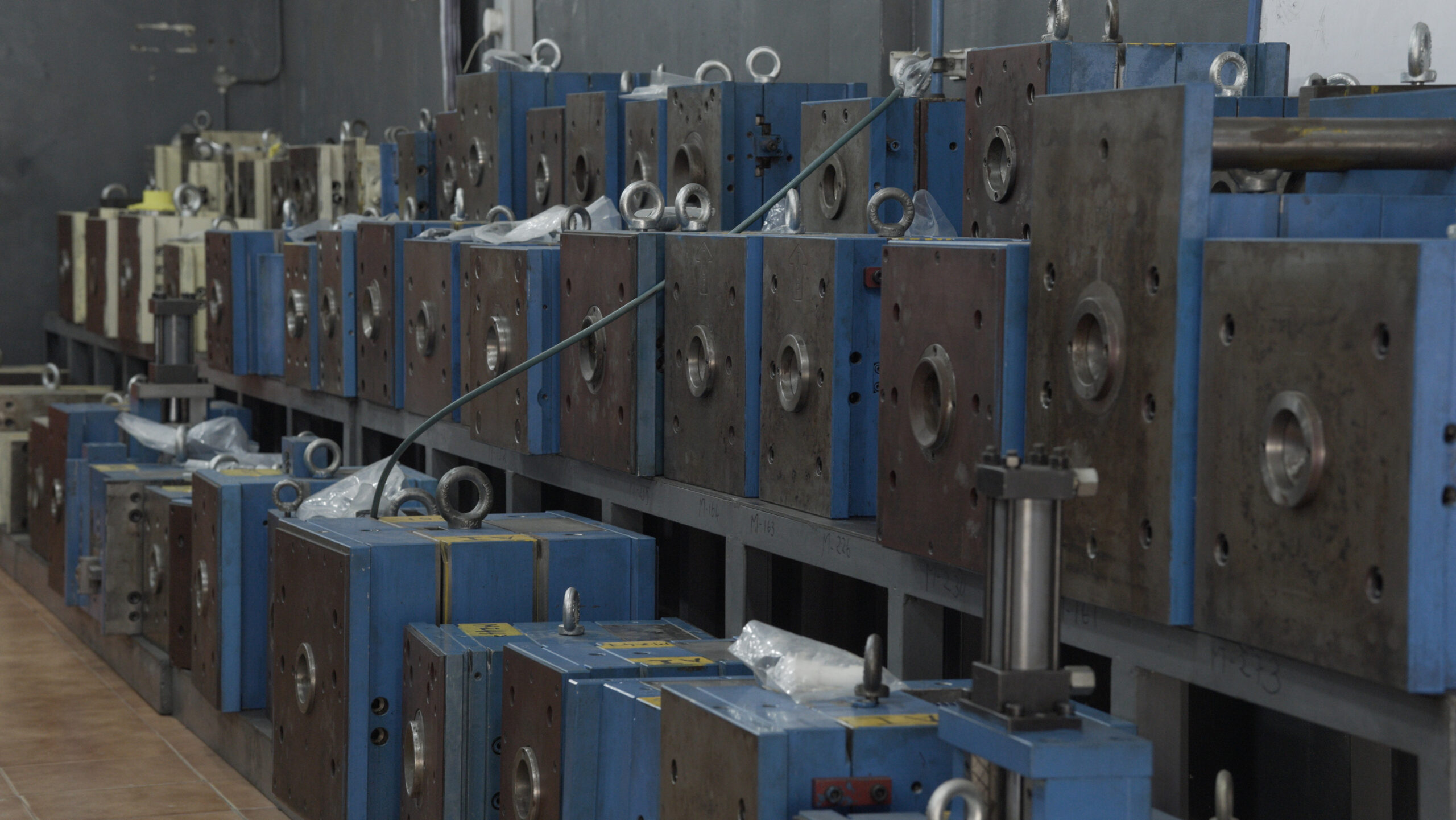
Injection molding is a high-volume manufacturing process for plastic parts that involves melting plastic granules and injecting the molten material under pressure into a custom-made mold to create identical products, often for automotive, appliance, and consumer goods applications. The process uses an injection molding machine with components like a hopper, a heated barrel, a screw, and a clamping unit to shape molten plastic into precise, complex parts with consistent quality, though the initial cost for creating the custom mold can be significant.
How It Works
- Material Preparation: Plastic in granular form is fed into a hopper.
- Melting & Injection: A screw within a heated barrel melts the plastic and then forces it under high pressure into the mold.
- Cooling & Solidification: The plastic cools and solidifies within the mold cavity, taking the mold’s shape.
- Ejection: The mold opens, and the finished part is ejected.
Key Components of the Machine
- Hopper: Where plastic granules are fed.
- Barrel: A heated cylinder that melts the plastic.
- Screw: Rotates to mix and convey the molten plastic.
- Clamping Unit: Holds the two halves of the mold together during injection.
- Nozzle: The opening where molten plastic is injected into the mold.
- Ejector Pins: Used to push the finished part out of the mold.
Common Applications
Injection molding is used for a vast range of products, including:
- Automotive parts and components
- Plastic packaging and bottle caps
- Toys and housewares
- Electronic enclosures
- Medical devices (e.g., syringes)
- Mechanical parts like gears